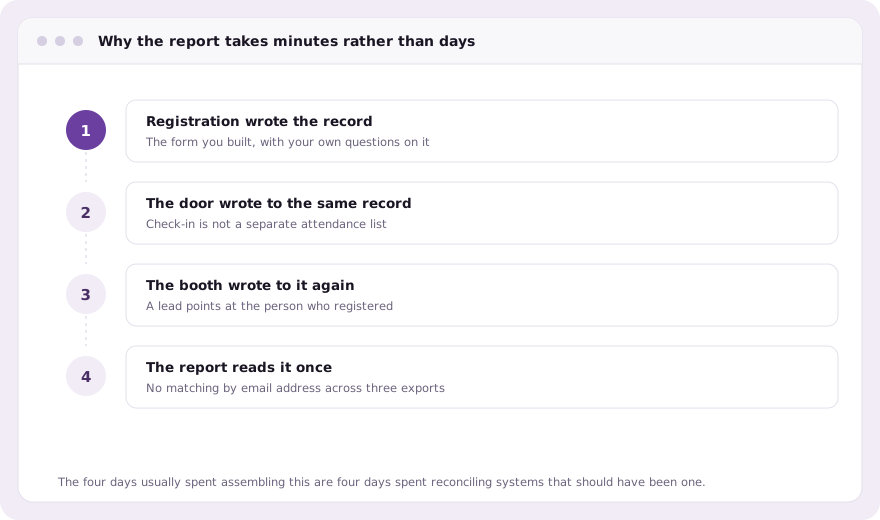
The week after an event is when somebody asks how it went, and the honest answer takes four days to assemble: registrations from one system, payments from another, a scan log and an attendee list somebody exported to CSV, and a lead count each exhibitor reports differently.
Because every part of evenclo writes to the same records, the reports are a read rather than an assembly.
The numbers you are actually asked for
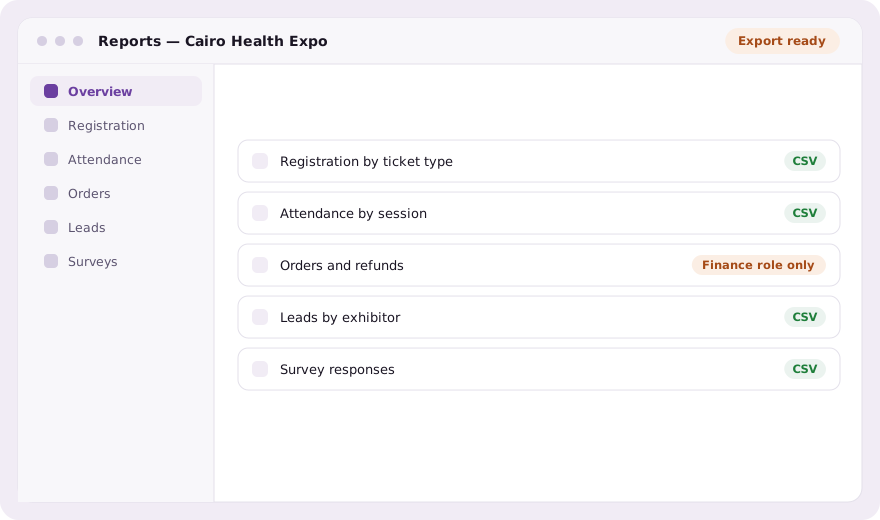
- Registrations over time, by ticket type and attendee type
- Attendance, who checked in, when, and per session
- Revenue by ticket type, with pending transfers separated from settled
- Leads per exhibitor, per booth and per hall
- Survey results read against ticket type and sessions attended
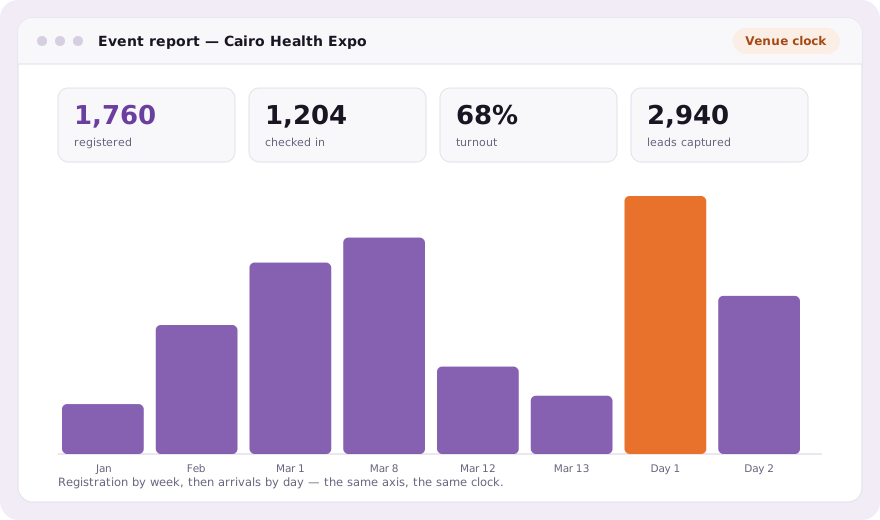
Every bucket is the venue’s clock
This sounds like a detail and is not. A daily chart truncated in the server’s timezone puts the first two hours of your event on the previous day, and an event spanning a daylight-saving change lands an hour out. evenclo converts to the venue’s named zone in the database before bucketing, so a chart read in Cairo, London or a Cloud Run region in Israel shows the same day boundaries.
Turnout is the number that matters
Registrations flatter everybody. Turnout (how many of the people who registered actually walked in) is what a sponsor is buying and what determines whether next year’s capacity plan is realistic. Because check-in and registration are the same record, that ratio is available without anyone matching two lists.
The report a sponsor is owed
A sponsor bought a number and is entitled to know whether they got it. Attendance, the profile of who attended, how many people passed their stand and how many conversations it produced: all of it from the same records rather than from four exports stitched together the week after everyone has gone home and stopped answering. A report delivered within days of the event is also the one that arrives while the renewal conversation is still open.
Who can read what
Reports respect the same roles as the rest of the dashboard. The finance role reads orders and refunds; a check-in volunteer reads nothing here at all. Roles are re-checked against the database on every request, so removing somebody’s access takes effect at once rather than when their session expires.
Common questions
Are event reports shown in the venue’s timezone?
Yes. Time buckets are converted to the venue’s named zone in the database before grouping, so day boundaries are the venue’s regardless of who reads the chart.
Can I see turnout rather than just registrations?
Yes. Check-in and registration are the same record, so the ratio of arrivals to registrations is available directly.
Can reports be restricted by role?
Yes. Orders and refunds sit behind the finance role, and every role is re-checked against the database on each request.
Book a demo Thirty minutes, screen shared, in Arabic or English.